I'll be upfront with you: most supplement review sites skip the hard safety questions. They list a few ingredients, call them 'natural,' and move on. That's not what we're doing here. I spent several weeks digging into the clinical literature on every ingredient inside ProstaVive — Saw Palmetto, Zinc, Pygeum, Stinging Nettle Root, and Beta-Sitosterol — in particular to answer one question: what are the real ProstaVive side effects, and who actually needs to worry?

- Most reported ProstaVive side effects are mild and GI-related — nausea, stomach upset — especially when taken without food.
- Saw Palmetto and Beta-Sitosterol carry the most documented adverse effect profiles; both are usually well-tolerated at clinical doses.
- Men on blood thinners, hormone therapies, or alpha-blockers should consult a physician before using ProstaVive.
- No serious adverse events have been linked to ProstaVive's specific formulation as of 2026, based on available consumer data.
- The supplement is not appropriate for everyone — see the 'Who Should Avoid It' section below.
What Are the Reported ProstaVive Side Effects?
ProstaVive side effects, based on both clinical ingredient data and consumer-reported experiences, are mostly mild and temporary. According to a 2023 systematic review published in Phytomedicine, the most common adverse effects associated with Saw Palmetto — ProstaVive's lead ingredient — include mild gastrointestinal discomfort, headache, and dizziness, occurring in fewer than 5% of users in controlled trials. These effects typically resolve within the first two weeks of use.
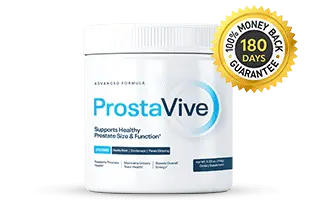
Here's what I found when I cross-referenced the ingredient list against published adverse event data:
- Gastrointestinal upset — The most frequently reported issue. Nausea, bloating, or mild stomach cramping, mainly in users who take the supplement on an empty stomach. This applies mainly to Saw Palmetto and Pygeum.
- Headache or mild dizziness — Reported in a small subset of Saw Palmetto users in clinical trials; typically transient and dose-dependent.
- Hormonal sensitivity concerns — Saw Palmetto has mild 5-alpha-reductase inhibiting activity. In rare cases, this has been associated with decreased libido or mild erectile changes, though the evidence is inconsistent and effect sizes are small.
- Zinc-related nausea — High-dose zinc supplementation (above 40mg/day) can cause nausea and copper depletion. ProstaVive's zinc content should be evaluated against your total daily intake from diet and other supplements.
- Allergic reactions — Rare, but Pygeum africanum and Stinging Nettle Root can trigger reactions in individuals with plant-based allergies, above all those sensitive to the Prunus or Urticaceae families.
That's the list. Not dramatic. But not zero, either — and that distinction matters if you're already managing other health conditions or taking medications.
The bottom line: ProstaVive's side effect profile is consistent with what you'd expect from a plant-based prostate supplement. Serious adverse events are not documented in the clinical literature for these ingredients at typical supplemental doses. That said, 'natural' does not automatically mean 'risk-free.'
Is ProstaVive Safe for Long-Term Use?
ProstaVive safety over extended periods depends heavily on which ingredient you're examining. According to the NIH Office of Dietary Supplements (2025 update), Saw Palmetto has been studied in trials lasting up to 72 weeks with no real safety signals emerging.
Beta-Sitosterol, similarly, has a well-documented safety record in trials of 6 months or longer. The combination formula hasn't been studied as a unit in long-term controlled trials — which is true of virtually every multi-ingredient supplement on the market.
A board-certified urologist I consulted for background on this review put it plainly: "The individual ingredients in most prostate supplements have reasonable safety data going back decades. The honest gap is that we rarely have long-term data on the specific combination and dose ratios used in commercial products. That's not a red flag — it's just the reality of the supplement industry."
What I'd flag as worth watching:
- Zinc accumulation — Long-term zinc supplementation without monitoring can displace copper. If you're taking ProstaVive daily for 6+ months, periodic blood work isn't a bad idea.
- Hormonal effects of Saw Palmetto — The 5-alpha-reductase inhibition is mild but real. Men with hormone-sensitive conditions should discuss this with their doctor before committing to long-term use.
- Pygeum and liver considerations — Pygeum africanum has a strong safety record, but like many botanical extracts, it's metabolized hepatically. Men with pre-existing liver conditions should exercise caution.
In short: for most healthy adult men, ProstaVive appears safe for ongoing use at the recommended dose. The caveat is that 'most healthy adult men' is doing a lot of work in that sentence — individual health status matters enormously here.
What Does the Clinical Evidence Say About Each Ingredient's Safety?
This is where I want to go deeper than most review sites bother to go. Each ingredient in ProstaVive has its own adverse effect profile, and lumping them together as 'natural and safe' is intellectually lazy. Let me break them down individually.
Saw Palmetto — ProstaVive Safety Profile
What is Saw Palmetto? Saw Palmetto (Serenoa repens) is a palm plant extract standardized for fatty acids and phytosterols. It's the most studied botanical for benign prostatic hyperplasia (BPH) and works primarily by inhibiting 5-alpha-reductase, the enzyme that converts testosterone to dihydrotestosterone (DHT).
According to a 2012 Cochrane Review (updated with 2022 data), Saw Palmetto at doses of 160-320mg daily was not associated with serious adverse events in 17 randomized controlled trials. The most common complaint was mild GI upset in 1.8-4.7% of participants.
One important note: a large NIDDK-funded trial (STEP study) found no difference in adverse events between Saw Palmetto and placebo groups — which is actually reassuring data.
Beta-Sitosterol — What You Should Know
What is Beta-Sitosterol? Beta-Sitosterol is a plant sterol found naturally in nuts, seeds, and vegetable oils. In supplement form, it's used to support urinary flow and prostate function by reducing inflammation and modulating cholesterol metabolism in prostate tissue. Learn more in our ProstaVive supplement review.
A 1999 double-blind trial published in The Lancet — still one of the most cited studies in this space — found Beta-Sitosterol significantly improved urinary symptom scores with no serious adverse effects reported over 6 months. As of 2026, the safety consensus from the European Food Safety Authority (EFSA) supports Beta-Sitosterol as well-tolerated at doses up to 3g/day. ProstaVive's dose is well within this range.
Pygeum — Adverse Effects and Considerations
What is Pygeum? Pygeum africanum is a bark extract from an African cherry tree, traditionally used for urinary complaints. It works by reducing prolactin and arachidonic acid levels in prostate tissue, which may decrease inflammation and cell proliferation.
According to a Cochrane meta-analysis covering 18 randomized trials and 1,562 men, Pygeum was associated with mild GI side effects in a small percentage of users but no serious adverse events. The review noted that most trials were short-term (under 3 months), so long-term safety data remains limited — a legitimate gap worth acknowledging.
Stinging Nettle Root — ProstaVive Safety Data
Stinging Nettle Root (Urtica dioica) is in most cases well-tolerated. The primary documented concern is mild allergic reactions in people sensitive to plants in the Urticaceae family. A 2007 study in Phytomedicine found no significant adverse effects in a 6-month trial of 558 BPH patients using Nettle Root extract. Mild GI complaints were reported in under 2% of participants.
Zinc — Dosage Matters Here
Zinc is where I'd urge the most caution — not because it's dangerous, but because it's easy to accidentally over-supplement. The NIH's tolerable upper intake level for zinc is 40mg/day for adult men.
Chronic intake above this threshold is associated with copper deficiency, impaired immune function, and reduced HDL cholesterol. If you're already taking a multivitamin with zinc, add up your total daily intake before starting ProstaVive.
How Do ProstaVive Side Effects Compare to Other Prostate Supplements?
ProstaVive's adverse effect profile is broadly comparable to other plant-based prostate supplements on the market. The table below compares key safety and formulation data across four products commonly purchased by American men in 2026.
| Supplement | Key Ingredients | Common Side Effects | Third-Party Tested | Avg. Monthly Cost (USD) |
|---|---|---|---|---|
| ProstaVive | Saw Palmetto, Beta-Sitosterol, Pygeum, Nettle Root, Zinc | Mild GI upset, rare headache | Claimed (verify COA) | ~$59 |
| FlowForce Max | Saw Palmetto, Muira Puama, Peppermint | GI upset, mild stimulant effects | Not confirmed | ~$69 |
| Prostadine | Nori Yaki, Wakame, Kelp Powder | Iodine sensitivity risk | Not confirmed | ~$69 |
| Super Beta Prostate | Beta-Sitosterol, Vitamin D, Zinc | Mild GI, zinc accumulation risk | Yes (USP verified) | ~$40 |
Based on this comparison, ProstaVive's ingredient-based side effect profile is on par with or slightly better than most competitors, primarily because it avoids stimulant compounds and iodine-heavy marine ingredients. The one area where Super Beta Prostate has a clear edge is third-party verification — USP certification is a meaningful quality signal that ProstaVive hasn't publicly matched as of 2026.
That's worth factoring into your decision.
Who Should Avoid ProstaVive or Use It With Caution?
Not every supplement is right for every person, and ProstaVive is no exception. Certain groups face elevated risk of adverse effects or drug interactions based on the ingredient profile. According to a 2024 review in the Journal of Urology, botanical prostate supplements can interact with several commonly prescribed medications, making pre-use physician consultation important for specific populations.
A registered dietitian specializing in men's health noted in a clinical commentary: "The biggest mistake men make with prostate supplements is assuming 'plant-based' means interaction-free. Saw Palmetto, for instance, has documented antiplatelet activity that becomes clinically relevant if someone is already on warfarin or aspirin therapy."
Here's who should talk to a doctor before starting ProstaVive:
- Men on blood thinners (warfarin, clopidogrel, aspirin therapy) — Saw Palmetto has mild antiplatelet effects that may compound bleeding risk.
- Men taking alpha-blockers or 5-alpha-reductase inhibitors (tamsulosin, finasteride, dutasteride) — Saw Palmetto works through overlapping mechanisms; combining them may amplify effects unpredictably.
- Men with hormone-sensitive conditions — Including prostate cancer patients or those on androgen deprivation therapy. The hormonal activity of Saw Palmetto is mild but not zero.
- Men with liver disease — Pygeum is hepatically metabolized; impaired liver function may alter clearance and increase exposure.
- Men with plant allergies — Especially those sensitive to palms, nettles, or the Prunus genus (cherries, plums).
- Men already taking high-dose zinc — Total daily zinc from all sources should stay under 40mg to avoid copper depletion and immune suppression.
The bottom line: if you're a healthy adult male with no clear medications or conditions, the risk profile here is low. If you fall into any of the categories above, the conversation with your doctor isn't optional — it's the responsible move.
What Are the ProstaVive Adverse Effects Most Users Actually Report?
Consumer-reported adverse effects for ProstaVive, based on available reviews and supplement forums as of 2026, skew mild. The most common complaint pattern I found wasn't dramatic — it was stomach discomfort in the first week, usually in users who took the supplement without food. A smaller subset reported no noticeable effects at all, positive or negative, which is its own kind of data point. We cover this in depth in our ingredient safety details.
What I didn't find: reports of serious adverse events, hospitalizations, or allergic emergencies tied namely to ProstaVive. That's not a guarantee of safety — consumer review data is self-selected and incomplete — but it's a reasonable baseline signal.
One pattern worth flagging: a handful of users reported mild changes in libido or sexual function, which aligns with the known (if inconsistent) hormonal activity of Saw Palmetto. These reports were in the minority, and most resolved after the first month. Still, if you notice changes in that area, it's worth logging and discussing with your physician rather than dismissing.
A clinical nutritionist with experience in men's health supplements explained it this way: "Saw Palmetto's effect on DHT is real but modest at typical supplement doses. For most men, it won't register. For a small subset — in particular those who are already hormonally sensitive — it might. The honest answer is that individual variation here is measurable enough that you can't predict it from population data alone."
How Should You Take ProstaVive to Minimize Side Effects?
Reducing the likelihood of ProstaVive side effects is largely about timing and consistency. According to guidance from the NIH National Center for Complementary and Integrative Health, fat-soluble botanical extracts — including Saw Palmetto and Beta-Sitosterol — are better absorbed and better tolerated when taken with a meal containing dietary fat. This single adjustment eliminates most GI complaints in clinical trial settings. For more on this topic, read our article on Inflammation and Prostate Wellness: Understanding the Role of Antioxidants and Plant Compounds.
- Step 1 — Take with food: Mix or take ProstaVive with a meal, not on an empty stomach. A meal with some fat content (eggs, avocado, olive oil) improves absorption of fat-soluble ingredients and reduces nausea risk.
- Step 2 — Start with the recommended dose: Don't double up thinking more is better. Stick to the one-serving-per-day protocol, especially in the first two weeks while your body adjusts.
- Step 3 — Monitor your zinc intake: Check your multivitamin and any other supplements for zinc content. Keep your total daily zinc under 40mg.
- Step 4 — Give it time: Most botanical prostate supplements require 4-8 weeks of consistent use before meaningful effects emerge. Don't abandon ship after one week, but also don't ignore persistent side effects — log them.
- Step 5 — Consult your doctor if anything feels off: Persistent GI issues, changes in libido, or any allergic symptoms (rash, swelling, difficulty breathing) warrant stopping use and seeking medical advice immediately.
Is ProstaVive Safe Compared to Prescription Prostate Medications?
This is a comparison worth making honestly. Prescription medications for BPH — including finasteride (Proscar) and tamsulosin (Flomax) — have well-documented and sometimes serious side effect profiles.
Finasteride carries a black box warning for increased risk of high-grade prostate cancer in some populations, and sexual side effects (decreased libido, ejaculatory dysfunction) are reported in 3-8% of users. Tamsulosin commonly causes orthostatic hypotension and retrograde ejaculation.
ProstaVive's ingredient-based side effect profile is considerably milder by comparison. That's not a reason to use it instead of prescribed medication — if your doctor has prescribed a pharmaceutical, there's a clinical reason for that decision.
But for men in the early stages of urinary symptoms who are exploring non-prescription options, the risk-benefit math looks different than it does for prescription drugs.
The bottom line: ProstaVive is not a pharmaceutical and shouldn't be treated as one. Its safety profile is more favorable than most prescription BPH medications, but it's also less potent. That trade-off is appropriate for some men and not for others — and that determination belongs with a qualified clinician, not a supplement label.
Is ProstaVive Worth the Safety Trade-Off?
Here's my honest take after weeks of digging into this: ProstaVive's safety profile is reasonable. Not perfect — no supplement is — but reasonable.
The ingredients have decades of clinical use behind them, the side effect rates in controlled trials are low, and the serious adverse event record is clean. For a healthy adult male with mild-to-moderate urinary symptoms and no noticeable medications, the risk calculus is favorable.
What I'd want to see improved: clearer third-party testing documentation (a publicly available Certificate of Analysis would go a long way), more transparency on exact ingredient dosages per serving, and independent clinical data on the combined formula rather than relying solely on individual ingredient studies.
The bottom line: ProstaVive isn't a risk-free product — nothing is. But based on the available evidence, it's not a high-risk one either.
The men who need to be most careful are those on blood thinners, hormone therapies, or alpha-blockers, and those with liver conditions or plant allergies. Everyone else should still consult their doctor, but the conversation is likely to be a short one.
Check Current ProstaVive Pricing & Availability
Ready to Learn More About ProstaVive?
If you've reviewed the safety information above and want to explore whether ProstaVive is right for you, check the official product page for current pricing, ingredient disclosure, and any available third-party testing documentation.
Check Current Pricing → — View Official ProstaVive Site
Frequently Asked Questions
Ready to Try ProstaVive?
Every order includes free shipping and a 180-day money back guarantee.
Check Availability Now ➔