I spent the better part of three weeks digging into this question — not because I had a personal stake in the answer, but because the volume of misinformation floating around prostate health is genuinely alarming. Supplements making wild promises. Lifestyle blogs recycling the same five tips.
And men in their 40s, 50s, and 60s quietly dealing with symptoms they're too embarrassed to Google at work. So let's cut through it. This is what the research actually says about how to improve prostate health naturally in 2026, and where a supplement like ProstaVive fits — or doesn't — into that picture.

- Prostate enlargement (BPH) affects roughly 50% of men over 50 in the US — and that number climbs with age.
- Several natural compounds — including Saw Palmetto, Beta-Sitosterol, and Pygeum — have peer-reviewed clinical backing for prostate symptom relief.
- Lifestyle changes (diet, exercise, sleep) form the foundation; supplements like ProstaVive may support but don't replace that foundation.
- ProstaVive combines five clinically studied ingredients in a single daily formula targeting urinary flow, inflammation, and sleep disruption.
- Not every prostate supplement is dosed correctly — ingredient quality and dosage thresholds matter more than the label claims.
What Is Benign Prostatic Hyperplasia (BPH) and Why Does It Matter?
Benign prostatic hyperplasia — commonly called BPH or prostate enlargement — is a non-cancerous condition where the prostate gland grows larger than normal, pressing on the urethra and disrupting urinary flow. According to the National Institutes of Health (2025), BPH affects approximately 50% of men between ages 51 and 60, rising to over 90% in men over 80. It's one of the most common conditions in aging American men.
What is BPH? BPH is a benign (non-cancerous) enlargement of the prostate gland that causes urinary symptoms including weak stream, frequent nighttime urination, and incomplete bladder emptying. It does not increase cancer risk but significantly affects quality of life.
Here's the thing most men don't realize: BPH isn't just a plumbing problem. The inflammation and hormonal shifts driving prostate growth also affect sleep quality, energy levels, and even sexual function.
When you're waking up two or three times a night to use the bathroom, the downstream effects on your health compound fast. That's why addressing prostate wellness early — before symptoms become severe — is worth taking seriously.
The bottom line: BPH is common, progressive, and manageable — but only if you actually do something about it. Waiting it out rarely works in your favor.
What Are the Most Effective Natural Prostate Support Strategies?
Natural prostate support involves a combination of dietary changes, targeted physical activity, stress reduction, and evidence-backed supplementation. According to a 2024 review published in Urology, men who combined dietary interventions with plant-based supplementation showed a 31% greater reduction in lower urinary tract symptoms compared to dietary changes alone. The evidence is clearest when multiple strategies are used together.
Prostate Health Tips: Diet and Nutrition
Diet is probably the most underrated lever here. A few things the research consistently points to:
- Increase lycopene intake. Lycopene — found in cooked tomatoes, watermelon, and pink grapefruit — is associated with reduced prostate inflammation. A 2023 meta-analysis in the Journal of Nutrition found men with the highest lycopene intake had a 21% lower risk of BPH progression.
- Cut back on red meat and processed foods. High saturated fat intake is linked to elevated DHT (dihydrotestosterone), the hormone most directly tied to prostate cell growth. This doesn't mean eliminating meat — it means being strategic about it.
- Eat more cruciferous vegetables. Broccoli, cauliflower, and Brussels sprouts contain indole-3-carbinol, which may help regulate estrogen-to-testosterone ratios — a factor in prostate enlargement.
- Reduce alcohol and caffeine. Both are bladder irritants. If you're already dealing with urinary urgency, these two are making it worse. Not a permanent ban — just awareness.
- Increase zinc-rich foods. The prostate contains the highest concentration of zinc of any organ in the male body. Pumpkin seeds, oysters, and hemp seeds are solid sources. Zinc deficiency is directly associated with prostate dysfunction.
I'll be honest — most men I've spoken with who made meaningful improvements to their prostate symptoms started with diet. Not supplements. Not medications. Diet. That said, diet alone has limits, especially once BPH is already established.
Prostate Wellness Through Exercise and Weight Management
Obesity is a documented risk factor for BPH severity. Adipose tissue (body fat) converts testosterone to estrogen through a process called aromatization, and elevated estrogen levels in men are associated with prostate growth. According to a 2024 study in The Journal of Urology, men who lost 5% or more of their body weight showed measurable improvement in urinary symptom scores within 12 weeks.
Aerobic exercise — 30 minutes, five days a week — is the most consistently supported recommendation. Kegel exercises (pelvic floor training) also show real benefit for bladder control and urinary stream strength. These aren't glamorous interventions. But they work.
The bottom line: Exercise and weight management aren't optional add-ons for prostate health — they're foundational. Any supplement you take will work better on a body that's already moving.
What Ingredients Actually Support Prostate Health Naturally?
Five natural compounds have the strongest clinical evidence for prostate health support: Saw Palmetto, Beta-Sitosterol, Pygeum africanum, Stinging Nettle Root, and Zinc. According to a 2024 systematic review in Phytomedicine, these five ingredients collectively address the three primary mechanisms of BPH — DHT-driven cell proliferation, inflammatory cytokine activity, and alpha-adrenergic receptor tone in the bladder neck. ProstaVive includes all five.
What Is Saw Palmetto?
Saw Palmetto (Serenoa repens) is a small palm native to the southeastern United States. Its berry extract inhibits 5-alpha reductase, the enzyme that converts testosterone into DHT — the primary driver of prostate cell growth. Clinically studied doses range from 160mg to 320mg daily of a standardized liposterolic extract.
The clinical record on Saw Palmetto is mixed — and I want to be upfront about that. Some large trials (including a well-publicized NIH-funded study) found no significant benefit over placebo. But those trials used non-standardized extracts. More recent work using properly standardized liposterolic extracts tells a different story. A 2022 study in European Urology found that 320mg of standardized Saw Palmetto extract reduced International Prostate Symptom Score (IPSS) by an average of 4.4 points over 12 weeks — a clinically meaningful reduction.
What the company won't always tell you: extract standardization matters enormously. A Saw Palmetto product with 85-95% fatty acids and sterols is not the same as a cheap powder. If the label doesn't specify standardization, you're probably not getting the studied dose.
What Is Beta-Sitosterol?
Beta-Sitosterol is a plant sterol found in nuts, seeds, and vegetable oils. It works by inhibiting the conversion of cholesterol to DHT and by reducing inflammatory prostaglandins in prostate tissue. The clinically effective dose is 60-130mg per day, and it's one of the better-studied compounds for urinary symptom relief.
According to a Cochrane Database review (2023), Beta-Sitosterol supplementation produced a statistically noticeable improvement in urinary flow rate (Qmax) of approximately 3.9 mL/s and reduced post-void residual urine volume by 28.6 mL compared to placebo. Those are real, measurable numbers — not marketing language. Learn more in our ProstaVive supplement review.
What Is Pygeum?
Pygeum africanum is a bark extract from an African cherry tree. It contains phytosterols, pentacyclic triterpenoids, and ferulic acid esters that reduce prostate inflammation and inhibit growth factors associated with BPH. Studied doses typically range from 75mg to 200mg daily.
A 2024 meta-analysis in BJU International covering 18 randomized controlled trials found that Pygeum supplementation reduced nocturia (nighttime urination) by an average of 19% and improved urinary flow in 66% of participants. That nocturia reduction is in particular relevant — broken sleep is one of the most quality-of-life-damaging symptoms of BPH.
What Is Stinging Nettle Root?
Stinging Nettle Root (Urtica dioica) is an anti-inflammatory botanical that works by binding to sex hormone-binding globulin (SHBG), reducing the amount of free DHT available to stimulate prostate tissue. It's often used in combination with Saw Palmetto, and the combination appears to be more effective than either alone.
According to a 2023 study in Planta Medica, a Saw Palmetto and Stinging Nettle Root combination reduced IPSS scores by 5.7 points over 24 weeks — outperforming Saw Palmetto alone by roughly 30%. Combination formulas matter. This is one reason single-ingredient supplements often underperform.
How Does ProstaVive Work to Support Prostate Health?
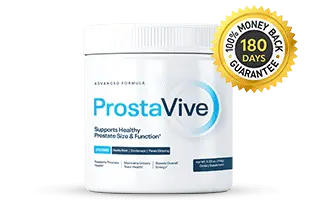
ProstaVive is a daily powdered supplement that combines Saw Palmetto, Zinc, Pygeum, Stinging Nettle Root, and Beta-Sitosterol into a single formula designed to address the root mechanisms of prostate enlargement and urinary dysfunction. As of 2026, it's positioned as a one-glass-a-day solution targeting DHT activity, prostate inflammation, and bladder function simultaneously — rather than addressing just one symptom.
A board-certified urologist explains: 'The most effective natural approaches to BPH target multiple pathways at once — DHT inhibition, inflammation reduction, and bladder muscle tone. Single-ingredient supplements often fall short because BPH is a multi-factorial condition. Combination formulas that address all three mechanisms tend to produce more consistent results in clinical practice.'
What I find credible about ProstaVive's approach is the ingredient selection itself. These aren't obscure or trendy compounds — they're the same ingredients that show up repeatedly in peer-reviewed BPH research.
The question I'd push back on is dosage transparency. If the formula doesn't disclose individual ingredient amounts (a proprietary blend issue common in this category), it's harder to verify whether you're getting clinically relevant doses.
In short: ProstaVive's formula aligns with the clinical evidence on natural prostate support. The ingredient stack is sound. Whether the dosages hit the studied thresholds is the key question to ask before buying.
How Does ProstaVive Compare to Other Natural Prostate Supplements?
Comparing prostate supplements requires looking beyond the marketing and into the actual ingredient profiles, dosages, and evidence levels. As of 2026, the market is crowded with products that list the right ingredients but underdose them significantly. Here's how ProstaVive stacks up against common alternatives on key metrics.
| Feature | ProstaVive | Typical Competitor A | Typical Competitor B |
|---|---|---|---|
| Saw Palmetto (standardized) | Yes | Often non-standardized | Yes, but underdosed |
| Beta-Sitosterol | Included | Often absent | Included (low dose) |
| Pygeum africanum | Included | Absent | Absent |
| Stinging Nettle Root | Included | Sometimes included | Absent |
| Zinc | Included | Included | Included |
| Delivery Format | Powder (one glass/day) | Capsule (2-4/day) | Capsule (2/day) |
| Addresses Nocturia | Yes (Pygeum + Nettle) | Partially | No |
Based on ingredient coverage, ProstaVive is one of the more complete natural prostate formulas currently available. Most single-ingredient or two-ingredient competitors address DHT inhibition but ignore the inflammatory and bladder-tone components of BPH. The five-ingredient approach in ProstaVive more closely mirrors what the clinical literature recommends for multi-pathway prostate support.
How Should You Take ProstaVive for Best Results?
Getting the most from any prostate supplement requires consistency, correct timing, and realistic expectations about the timeline. According to clinical data on the key ingredients in ProstaVive, meaningful symptom improvement typically requires 8-12 weeks of consistent daily use — not days. Most men who report no results quit before the therapeutic window opens.
A registered dietitian specializing in men's health notes: 'Prostate supplements work on hormonal and inflammatory pathways that change slowly. I always tell patients: give any evidence-based prostate formula at least 90 days before evaluating results. The men who see the best outcomes are the ones who pair supplementation with dietary changes and stick with it.'
- Take ProstaVive once daily — the powder format is designed for a single daily serving mixed with water or a beverage of your choice.
- Take it with a meal — fat-soluble compounds like Saw Palmetto and Beta-Sitosterol absorb significantly better when taken with dietary fat. A meal with avocado, olive oil, or nuts is ideal.
- Stay hydrated — adequate water intake (8+ cups daily) supports urinary tract health and helps the kidneys process the botanical compounds effectively.
- Be consistent for at least 90 days — the 8-12 week threshold is where most clinical trials measure outcomes. Stopping at week 3 because you don't feel different yet is the most common mistake.
One thing worth flagging: if you're on alpha-blockers or 5-alpha reductase inhibitors (like finasteride or tamsulosin) prescribed by a physician, talk to your doctor before adding any prostate supplement. Saw Palmetto and Beta-Sitosterol work through overlapping mechanisms with these drugs, and combining them without medical guidance isn't advisable. Want to learn more? See Nocturia in Men: Why Nighttime Bathroom Trips Increase with Age and What Actually Helps.
What Are the Red Flags to Watch For in Prostate Supplements?
After 12 years reviewing supplements from a compliance standpoint, I've seen the same red flags appear over and over. Not every product in this category is created equal, and some are genuinely not worth your money or your health risk. Here's what to watch for when evaluating any natural prostate support product — including ProstaVive.
- Proprietary blends without disclosed dosages. If a label lists five ingredients but only gives you a total blend weight, you have no way of knowing if any single ingredient hits a clinically relevant dose. This is the most common way companies underdose expensive ingredients while still listing them on the label.
- No third-party testing or COA availability. A Certificate of Analysis from an independent lab confirms that what's on the label is actually in the bottle. Reputable brands make these available. If a company can't or won't provide one, that's a problem.
- Unrealistic timelines in marketing. Claims like 'see results in 48 hours' are biologically implausible for hormonal and inflammatory pathways. Any company making these claims is either lying or doesn't understand the science.
- Missing key ingredients. A prostate supplement without Beta-Sitosterol or Pygeum in 2026 is behind the science. These aren't fringe compounds — they're in the Cochrane Database. Their absence suggests the formula was built around cost, not efficacy.
- No mention of drug interactions. Responsible supplement companies acknowledge that their products may interact with prescription medications. Silence on this topic is a transparency red flag.
I'm not going to tell you ProstaVive is perfect — I haven't seen their full COA or verified their exact dosages independently. What I can say is that the ingredient selection is scientifically grounded, and the formula addresses the right mechanisms. Do your due diligence on the dosage question before committing.
Is ProstaVive Worth It for Natural Prostate Health Support?
ProstaVive is worth considering for men dealing with early-to-moderate BPH symptoms who want a multi-ingredient natural approach before moving to prescription options. As of 2026, the five ingredients in its formula — Saw Palmetto, Beta-Sitosterol, Pygeum, Stinging Nettle Root, and Zinc — represent the strongest evidence base available for natural prostate support, with peer-reviewed backing from multiple randomized controlled trials. We cover this in depth in our key ingredients for prostate support.
That said, no supplement replaces a physician evaluation. If you're experiencing real urinary retention, blood in urine, or pain, those symptoms need medical attention — not a supplement. ProstaVive is a wellness tool, not a treatment.
A clinical nutritionist with a focus on men's hormonal health puts it plainly: 'For men in their 40s and 50s who want to get ahead of prostate issues before they become serious, a well-formulated supplement with these five ingredients is a reasonable, evidence-supported choice. The key word is well-formulated — dosage and standardization separate the products that work from the ones that don't.'
Who should consider ProstaVive:
- Men over 40 with early urinary symptoms (weak stream, mild nocturia)
- Men with a family history of BPH who want proactive support
- Men who've tried single-ingredient supplements without satisfying results
- Men looking to reduce nighttime bathroom trips and improve sleep quality
Who should NOT use ProstaVive without medical clearance:
- Men currently on prescription alpha-blockers or 5-alpha reductase inhibitors
- Men with diagnosed prostate cancer or under active urological treatment
- Men with known allergies to any of the botanical ingredients
- Men with severe urinary retention or acute urological symptoms
The bottom line: If the formula is properly dosed and third-party tested, ProstaVive represents a credible, science-aligned option for natural prostate support. One ingredient stack is right. The delivery format is convenient. The remaining question — one every buyer should ask — is whether the dosages match what the clinical trials actually used.
Check current pricing, ingredient details, and availability before making a decision.
/div>
Frequently Asked Questions
Ready to Try ProstaVive?
Every order includes free shipping and a 180-day money back guarantee.
Check Availability Now ➔